
Preparing for the Global Supply Chain Shift: India as a Cleanroom Hub
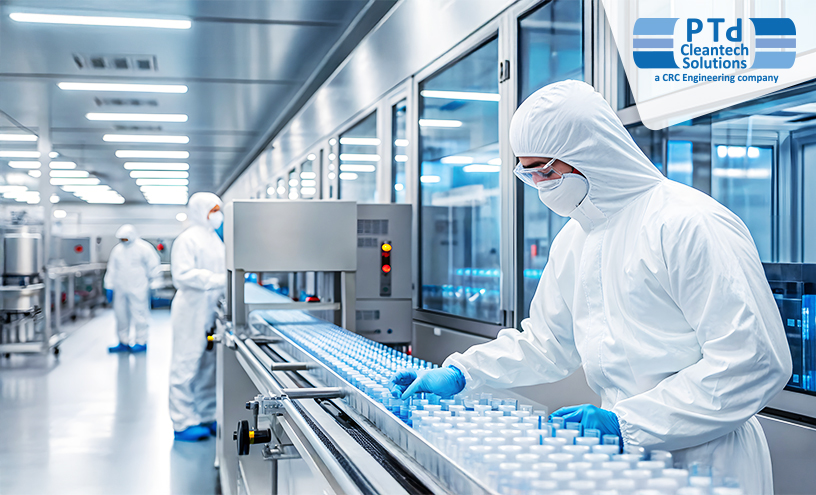
Businesses are striving for increased resilience and cost effectiveness, and the entire global supply chain is changing. Decentralised production networks have become more popular as a result of the COVID-19 pandemic and rising demand for advanced manufacturing.
Retrofitting an Existing Facility into a Compliant Cleanroom
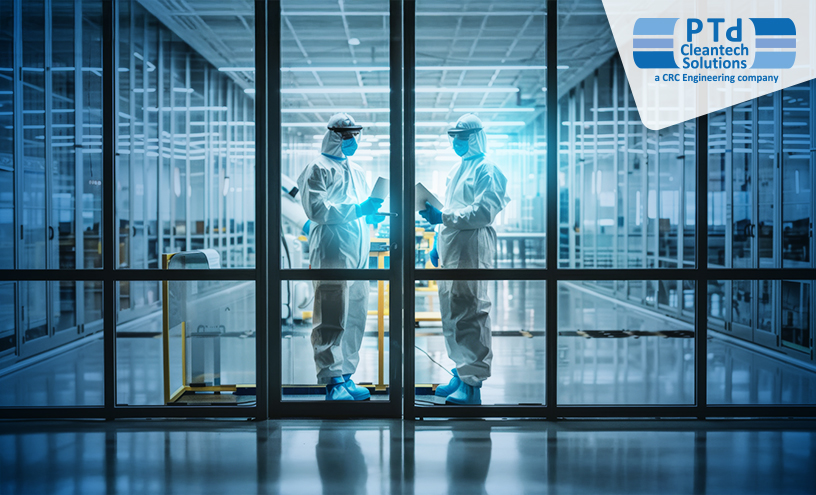
Cleanrooms are extremely regulated spaces with precise humidity and air quality controls. They are crucial to sectors like biotechnology, electronics manufacturing, and pharmaceuticals. Organisations are increasingly considering retrofitting existing facilities instead of starting from scratch
Smart Cleanrooms: Integrating IoT, Sensors, and BMS for Smarter Control
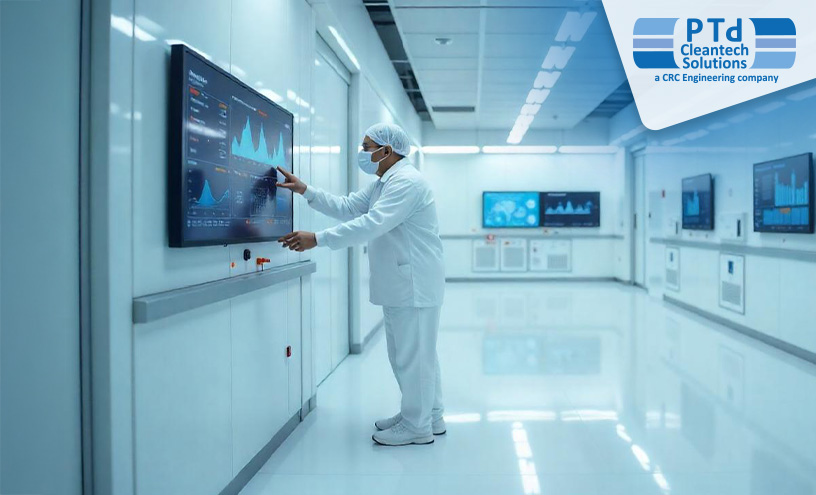
Cleanrooms have been the priority in industries where precision and contamination control are paramount. From pharma and biotech to aerospace and semiconductors, the need for intelligent, more efficient cleanroom operations is increasingly rising.
Top 5 Challenges in Cleanroom Projects and How to Solve Them
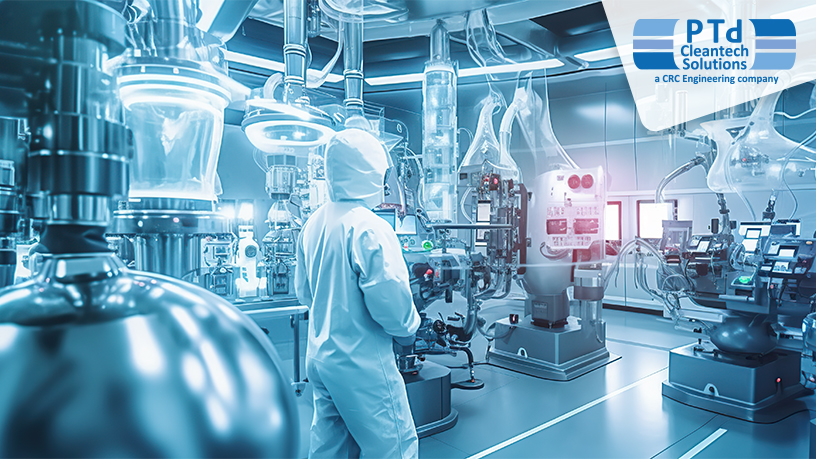
Cleanroom projects are among the most challenging in construction and engineering, particularly when coupled with industries like pharmaceuticals, semiconductor fabrication, etc. These places demand temperature, humidity, pressure, and especially particulate contamination control at a high level of precision.
The Role of Cleanrooms in India’s Growing Semiconductor Manufacturing Sector
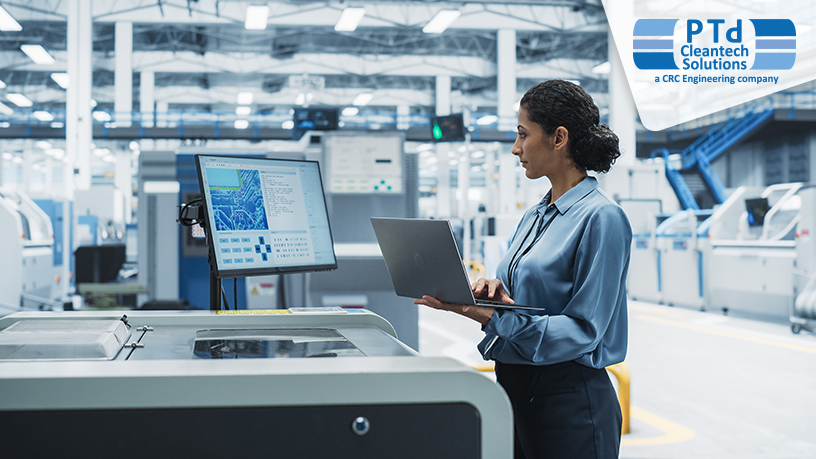
The semiconductor initiative of India is right now set forth towards a magnified momentum. The government initiatives are actively accelerating the development of this scenario which is one of the factors that is slingshotting the country into the future. The country is steadfastly marching towards becoming a climactic player in the global semiconductor industry.
How Clean Utility Design Impacts GMP Compliance
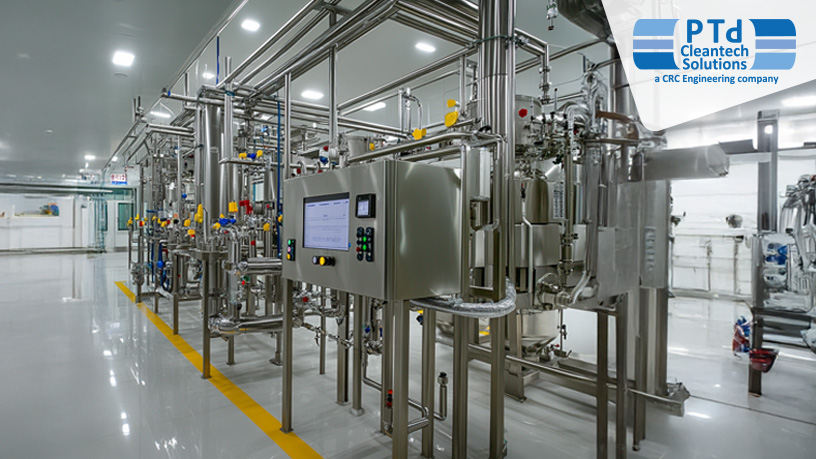
Clean utility design is a critical component in making pharmaceutical manufacturing plants compliant with rigorous Good Manufacturing Practice (GMP) standards. Under conditions where product safety and process reliability are paramount, particularly in the manufacture of drugs, the design of clean utilities will have direct implications on compliance.
5 Common Cleanroom Design Mistakes and How We Avoid Them
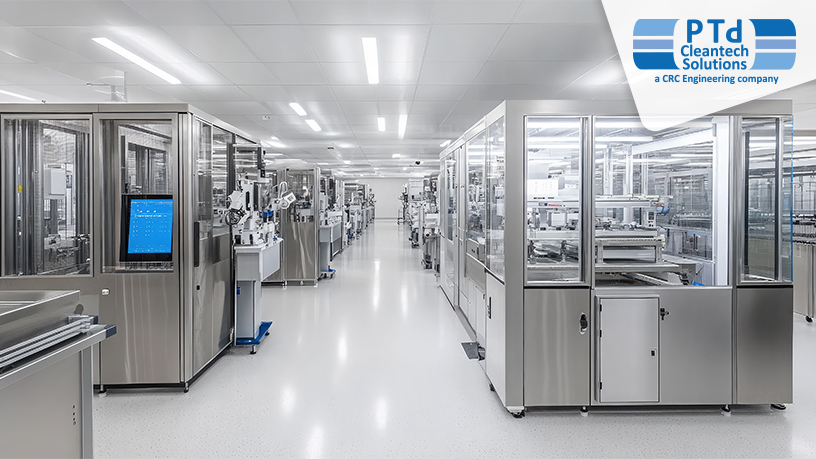
Cleanroom design is a very specialised activity that requires a scrutinous eye for detail and a profound understanding of industry principles. Whatever the facility is being designed for; drugs, biotech, or advanced therapy medicinal products; it is essential to avoid critical errors in order to achieve compliance and safety. What follows are five of the most typical cleanroom design mistakes and how our method circumnavigates them, with specific reference to the accuracy needed in ATMP design.
Importance of Maintaining Humidity in Semiconductor Manufacturing Cleanrooms
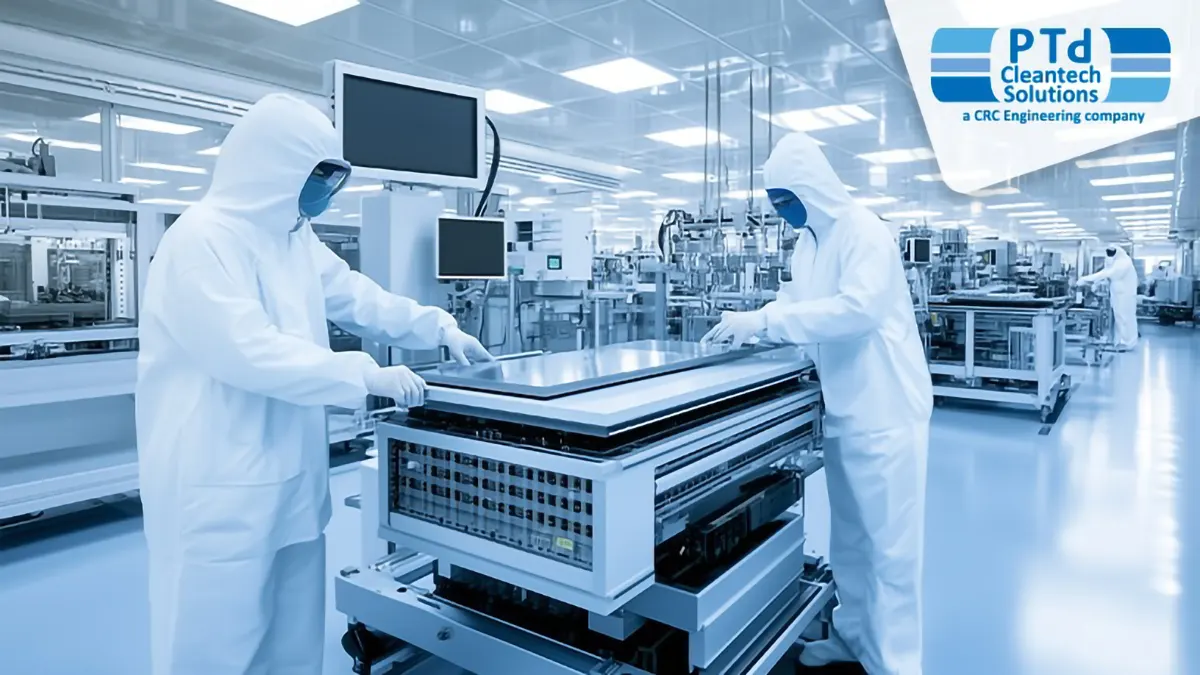
Cleanrooms of semiconductor plants are highly controlled environments in which temperature, pressure, and particulate counts are closely controlled. Humidity, however, is especially important because of the sensitivity of semiconductor fabrication materials and processes.
Cost vs Efficiency: Finding the Right OSAT Consultant
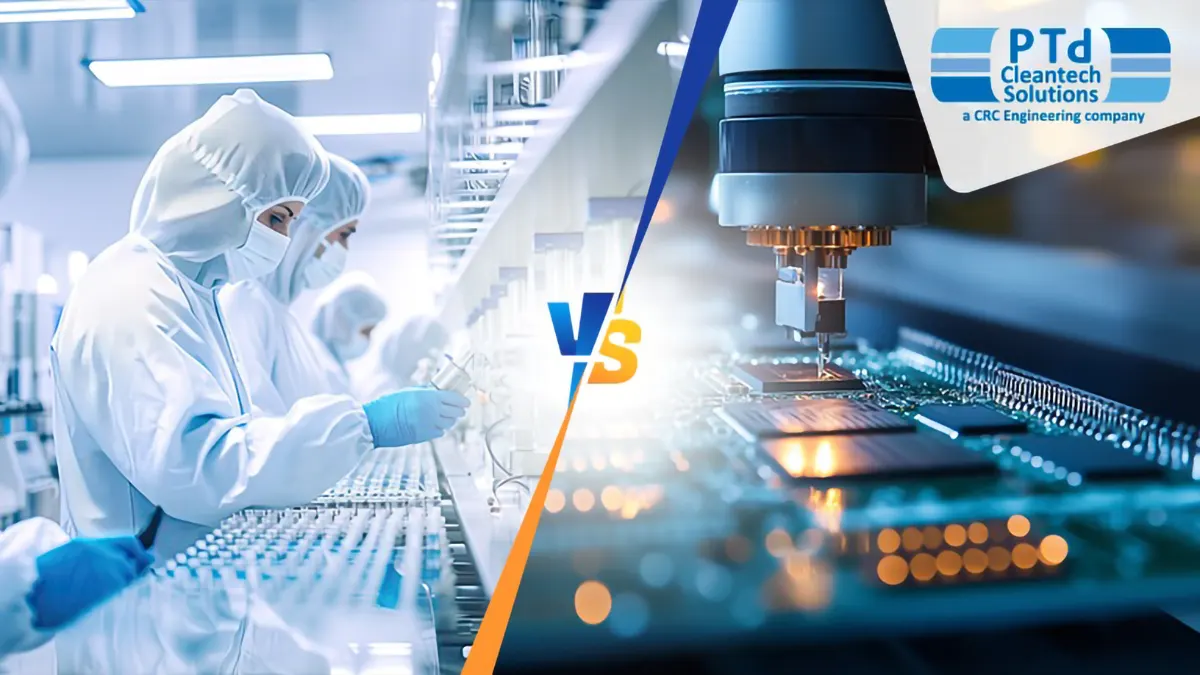
Outsourced Semiconductor Assembly and Test (OSAT) businesses play an important part in the semiconductor supply chain. With the industry set to develop increasingly rapidly, expert advice has become increasingly in demand, and businesses have looked towards hiring the services of a specialist OSAT Consultant. Such consultants provide strategic input regarding vendor selection, cost optimisation, and technology alignment.
The Evolution of Semiconductor Facility Design: From Traditional to Modular Cleanrooms
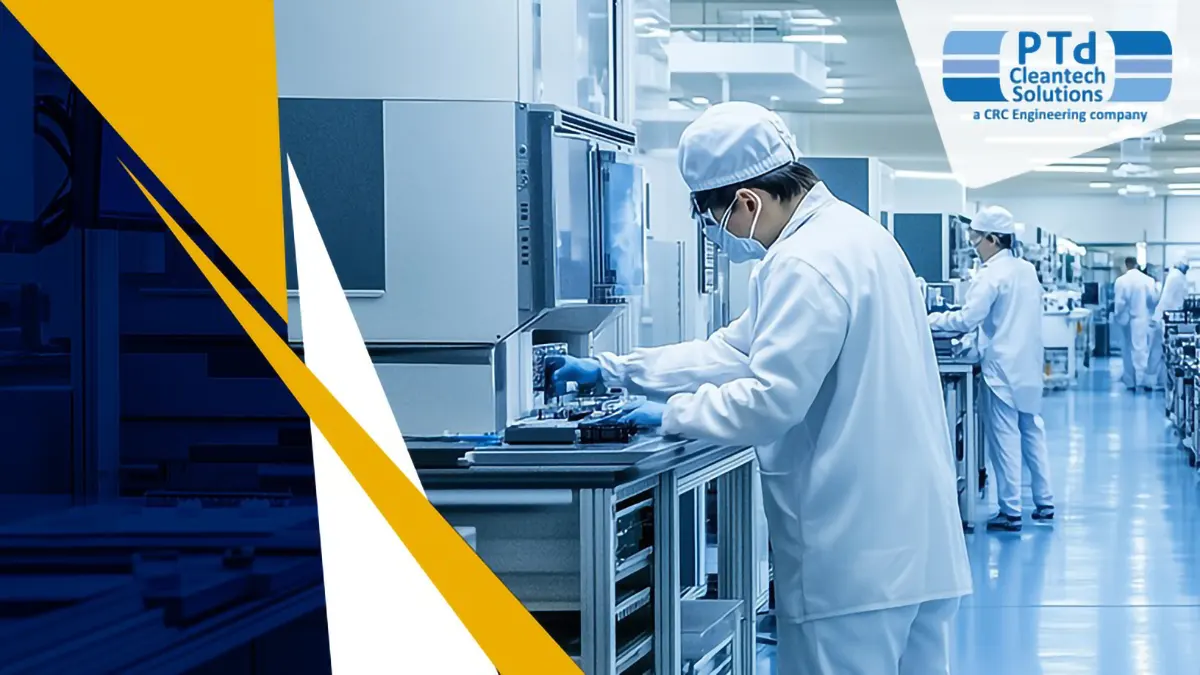
The semiconductor sector has undergone many changes in facility design, from conventional buildings to advanced modular cleanrooms. The changes have been necessitated by the demand for higher efficiency, flexibility, and cost savings in semiconductor facility design.